Legea australiană SOCI (Security of Critical Infrastructure) a schimbat modul în care entitățile responsabile gestionează riscurile cibernetice și operaționale. Legea mută accentul de la alinierea politicilor la nivel înalt către o reziliență operațională demonstrabilă, susținută de practici de gestionare a riscurilor bazate pe dovezi.
Ultimele modificări consolidează așteptările guvernului australian ca proprietarii de infrastructuri critice să treacă de la cadre statice la măsuri de control practice și operaționale, în special în domeniul securității cibernetice și al securității informațiilor.
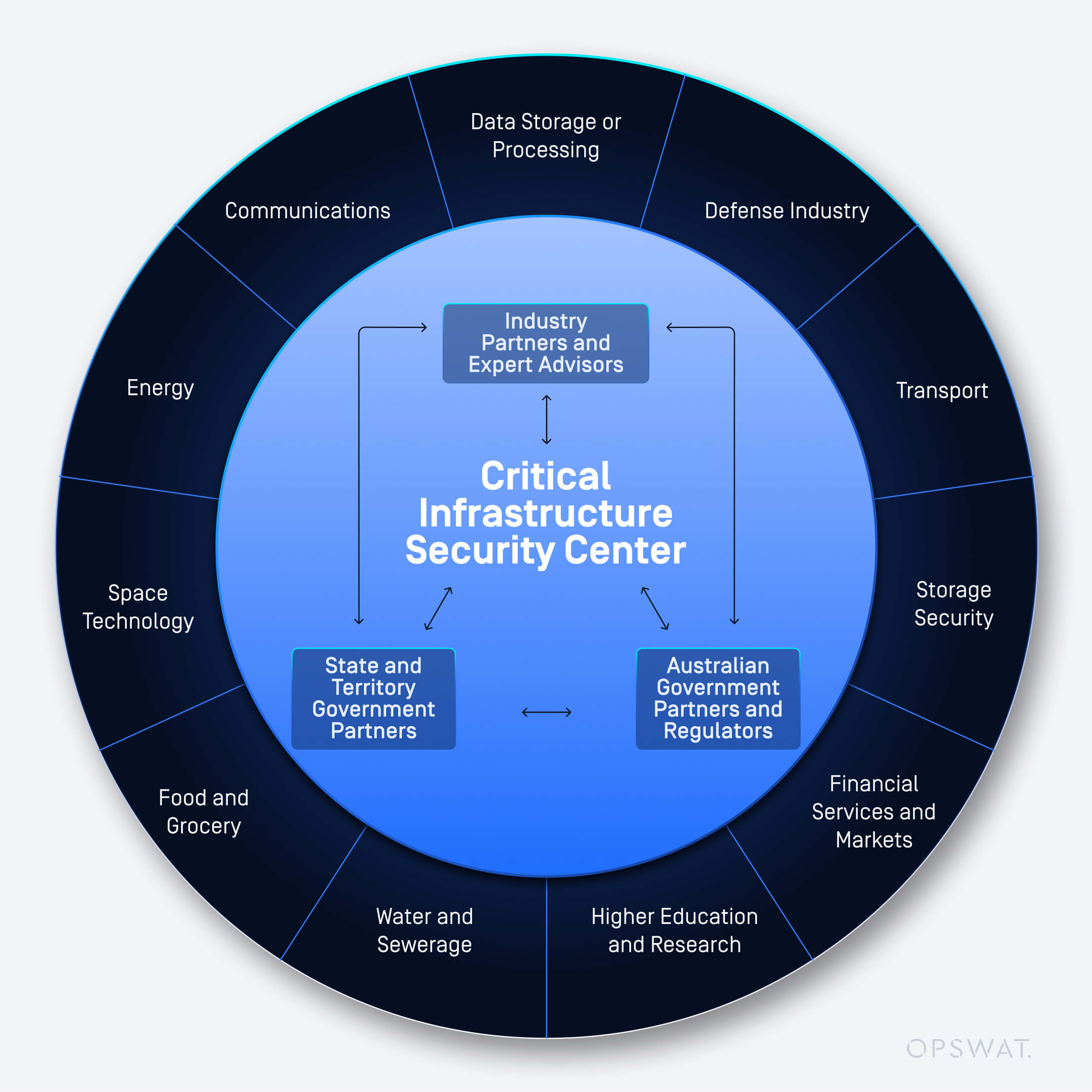
În conformitate cu partea 2A din Legea SOCI, entitățile responsabile trebuie să instituie, să mențină și să respecte Programul de gestionare a riscurilor asociate infrastructurilor critice (CIRMP). Această cerință se aplică tuturor sectoarelor, inclusiv:
|
|
|
Majoritatea acestor sectoare sunt obligate să adopte o abordare mai matură, mai concretă și în continuă îmbunătățire în ceea ce privește gestionarea riscurilor la nivelul personalului, al proceselor și al tehnologiei.
Modificările introduse între 2021 și 2024 consolidează trei așteptări esențiale:
- Măsuri de securitate cibernetică și informațională clar definite și puse în aplicare
- Evaluarea și revizuirea continuă a riscurilor, nu documentația statică
- Supravegherea și responsabilitatea la nivel de consiliu de administrație
Autoritățile de reglementare se așteaptă acum ca organizațiile să demonstreze eficacitatea măsurilor de control, susținută de elemente de monitorizare, înregistrare și guvernanță, precum și eficacitatea operațională a acestora. Conformitatea nu mai reprezintă doar o chestiune de documentare. Este o responsabilitate operațională și executivă legată direct de reziliența națională.
Legea SOCI și CIRMP
Entitățile responsabile trebuie să elaboreze, să mențină și să respecte un plan CIRMP proporțional cu gradul de importanță al activului și cu mediul de amenințări. Planul CIRMP trebuie să depășească stadiul de simple declarații de politică și să prevadă măsuri de control practice, bazate pe riscuri, care să abordeze pericolele reale.
Conform cerințelor CIRMP, organizațiile trebuie:
- Identificarea pericolelor care ar putea avea un impact semnificativ asupra infrastructurii critice
- Reducerea la minimum sau eliminarea riscurilor semnificative generate de aceste pericole
- Revizuiți și actualizați periodic măsurile de control pentru a reflecta schimbările survenite în activitatea amenințărilor
- Să păstreze înregistrări și dovezi care să susțină procesele de asigurare a conformității și de implicare
- Abordarea riscurilor pe patru direcții de risc identificate:
- Riscuri legate de securitatea cibernetică și a informațiilor
- Securitatea fizică și riscurile naturale
- Riscuri legate de personal
- Riscuri legate de lanțul de aprovizionare
Deși CIRMP rămâne un cadru bazat pe principii, autoritățile de reglementare se așteaptă la o maturitate operațională. Organizațiile trebuie să demonstreze că măsurile de control sunt implementate, monitorizate și îmbunătățite în mod continuu. Documentația în sine nu este suficientă. Sunt necesare dovezi privind supravegherea guvernanței, procesele de evaluare a riscurilor și mecanismele tehnice de aplicare.
Riscul cibernetic ca Core a CIRMP
Riscurile legate de securitatea cibernetică și a informațiilor reprezintă unul dintre cele mai importante și mai dinamice riscuri la adresa infrastructurii critice. CIRMP consolidează rolul riscului cibernetic ca pilon central al planificării rezilienței, reflectând frecvența tot mai mare a atacurilor de tip ransomware, a compromiterii lanțului de aprovizionare și a atacurilor care vizează mediile OT.
Entitățile responsabile trebuie să demonstreze că înțeleg clar modul în care amenințările cibernetice ar putea afecta în mod semnificativ disponibilitatea, integritatea sau fiabilitatea elementelor de infrastructură critică.
Aceasta include capacitatea de a identifica:
- Cum intră și circulă datele, fișierele și programele în mediile IT, OT și ICS
- În cazul în care există limite de încredere între rețelele IT, OT și rețelele terțe
- Cum ar putea malware-ul sau accesul neautorizat să se răspândească în sistemele operaționale
- Indiferent dacă este vorba de furnizori, contractori sau suporturi de stocare portabile, acestea prezintă riscuri necontrolate
Modificările aduse Legii SOCI precizează clar că sistemele vechi, rețelele izolate fizic și mediile OT cu acces limitat nu sunt scutite de obligațiile privind riscurile cibernetice. Organizațiile trebuie să adapteze măsurile de control la aceste medii, în loc să evite implementarea lor.
În practică, acest lucru necesită vizibilitate și un control efectiv la punctele de acces frecvent exploatate, printre care:
- Încărcarea și descărcarea fișierelor
- Atașamente e-mail
- Dispozitive finale gestionate și negestionate
- Suporturi amovibile
- Căi de acces la distanță
- Zonele de convergență între IT și OT
O gestionare eficientă a riscurilor cibernetice în cadrul CIRMP depinde de măsurile preventive care reduc expunerea înainte ca amenințările să ajungă la sistemele critice. Înregistrarea, monitorizarea și generarea de dovezi sunt esențiale pentru a demonstra că aceste măsuri funcționează conform așteptărilor.
Alinierea categoriilor de risc CIRMP la măsurile practice de control
CIRMP impune organizațiilor să abordeze riscurile pe patru direcții de risc. Fiecare direcție necesită măsuri de control aplicabile și verificabile, care să reducă riscurile semnificative la care sunt expuse infrastructurile critice.
Printre factorii de risc se numără:
- Securitatea cibernetică și a informațiilor
- Personal
- Lanțul de aprovizionare
- Securitatea fizică
Secțiunile următoare prezintă modul în care aceste categorii de riscuri se concretizează în măsuri de securitate operaționale în cadrul infrastructurilor critice.
1. Riscuri legate de securitatea cibernetică și a informațiilor
CIRMP impune organizațiilor să pună în aplicare măsuri de control care să reducă la minimum riscurile cibernetice semnificative, capabile să afecteze disponibilitatea, integritatea sau fiabilitatea activelor infrastructurii critice. Printre amenințările cibernetice frecvente se numără phishingul, programele malware, ransomware-ul și atacurile de tip „denial-of-service”.
Amenințările bazate pe fișiere rămân unul dintre cele mai frecvente vectori de acces inițial. Organizațiile trebuie să asigure securitatea proceselor de încărcare, descărcare, transfer și introducere a fișierelor atât în mediile IT, cât și în cele OT.
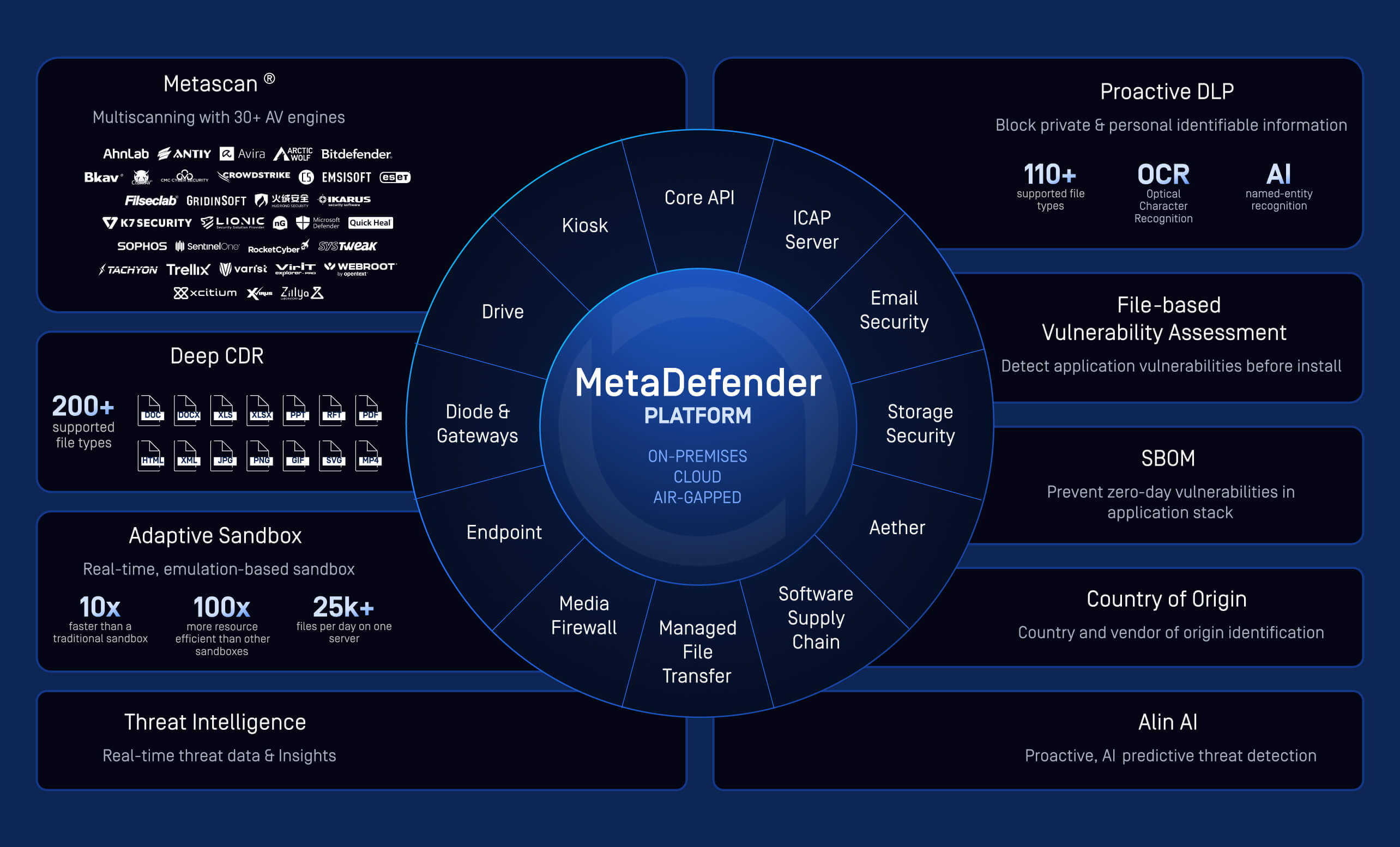
MetaDefender OPSWAT este conceput pentru a preveni amenințările transmise prin fișiere înainte ca acestea să ajungă la utilizatori sau la sistemele critice. Se integrează în infrastructura existentă pentru a inspecta încărcările, descărcările, atașamentele din e-mailuri și transferurile de fișiere, fără a perturba fluxurile de lucru operaționale.
MetaDefender Core mai multe tehnologii de detectare pentru a asigura o inspecție bazată pe principiul apărării în profunzime, printre care:
- Tehnologia de scanare multiplă Metascan™ cu peste 30 de motoare anti-malware
- Detectare bazată pe semnături, euristică și învățare automată
- Detectarea vulnerabilităților de tip „zero-day” înainte de execuție, bazată pe inteligență artificială și învățare automată
- Reputația fișierelor și analiza hash-urilor
În cazul amenințărilor necunoscute și de tip „zero-day”, tehnologia Deep CDR™ efectuează o curățare aprofundată a fișierelor pentru a elimina în mod recursiv amenințările încorporate, precum scripturi, macrocomenzi și conținut care încalcă politicile, apoi regenerează fișiere sigure și utilizabile, păstrând în același timp funcționalitatea operațională.
Analiza Adaptive permite observarea comportamentului într-un mediu controlat. Proactive DLP™ inspectează conținutul fișierelor pentru a detecta informațiile sensibile și pentru a aplica măsuri bazate pe politici, cum ar fi ștergerea, cenzurarea sau aplicarea de filigrane asupra conținutului, înainte ca fișierele să fie distribuite utilizatorilor sau sistemelor.
Printre capacitățile suplimentare de inspecție se numără:
- Verificarea tipului real de fișier
- Extragerea arhivelor și scanarea recursivă
- File-based vulnerability assessment
- Prevenirea pierderii datelor și verificarea conținutului
Aceste capacități contribuie la îndeplinirea obiectivelor CIRMP prin:
- Reducerea dependenței de o singură tehnologie de detectare
- Detectarea și prevenirea atacurilor de tip zero-day
- Obținerea de dovezi verificabile privind respectarea obligațiilor de diligență în detectarea amenințărilor
2. Riscuri pentru personal
În cadrul CIRMP, riscurile legate de personal includ riscurile generate de angajați, contractori, subcontractori, stagiari și alte persoane care au acces la elementele de infrastructură critică. Organizațiile trebuie să evalueze cine se încadrează în categoria lucrătorilor esențiali, ce nivel de acces dețin aceștia și dacă acest acces ar putea genera un risc semnificativ.
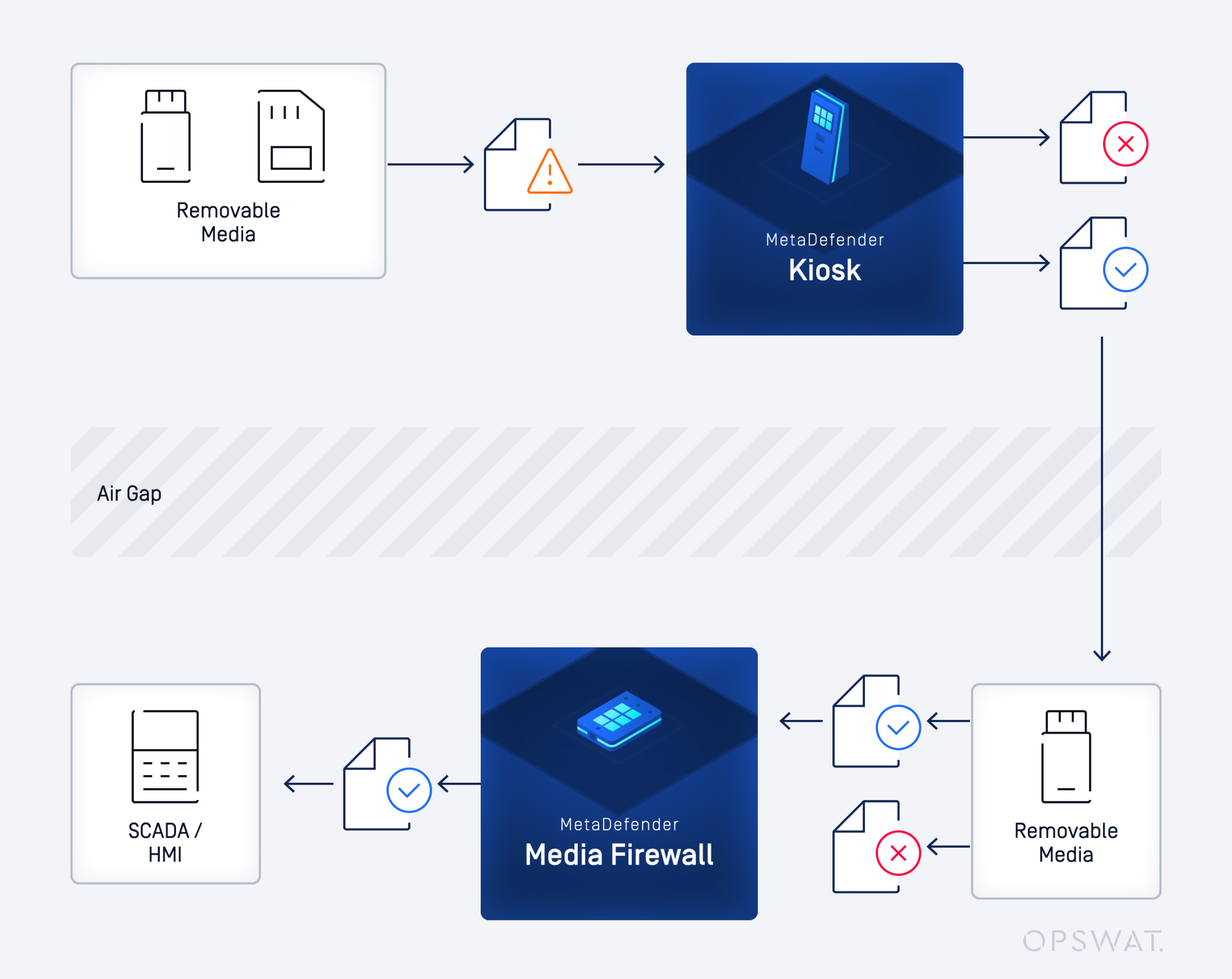
Suporturile amovibile și dispozitivele portabile rămân vectori obișnuiți de introducere a programelor malware în mediile OT, în special în rețelele izolate fizic sau segmentate. În absența unor măsuri de control aplicabile, aceste căi pot ocoli sistemele de apărare perimetrale.
MetaDefender și MetaDefender Media sunt concepute pentru a asigura aplicarea măsurilor de securitate la punctele de intrare a datelor media și la nivelul interfeței om-mașină (HMI).
MetaDefender Kiosk scanarea și dezinfectarea suporturilor amovibile înainte ca fișierele să fie admise în medii securizate. Acesta aplică politici de securitate predefinite și generează jurnale pentru a răspunde cerințelor de audit.
MetaDefender Media Firewall inspecția în timp real și aplicarea politicilor pentru transferurile de date între rețele, inclusiv în segmentele OT. Acesta împiedică pătrunderea fișierelor neautorizate sau periculoase în sistemele critice.
Aceste dispozitive de control asigură respectarea cerințelor CIRMP privind protecția personalului prin:
- Reducerea riscului de acțiuni rău intenționate sau din neglijență din partea personalului intern
- Asigurarea gestionării în condiții de siguranță a suporturilor amovibile în rețelele OT
- Restricționarea utilizării dispozitivelor neomologate
- Îmbunătățirea vizibilității cu privire la cine introduce fișierele și când
3.Supply Chain
Legea SOCI identifică în mod explicit pericolele din lanțul de aprovizionare ca o categorie de risc semnificativă în cadrul CIRMP. Entitățile responsabile trebuie să abordeze riscurile generate de furnizori, contractori, producători de echipamente originale (OEM) și furnizori terți de servicii.
Expunerea lanțului de aprovizionare poate apărea prin:
- Terminale ale unor terți care se conectează la rețele critice
- Căi de acces la distanță în mediile OT
- Dispozitive portabile aduse la șantier de către contractori
- Software și activități de întreținere
Mulți operatori de infrastructură critică se bazează pe conectivitatea la distanță pentru a monitoriza echipamentele, a efectua diagnostice și a realiza actualizări în cadrul unor locații distribuite sau regionale. În absența unor măsuri de control adecvate, aceste căi de acces pot introduce amenințări cibernetice în medii sensibile, inclusiv în rețelele OT izolate fizic sau parțial conectate.
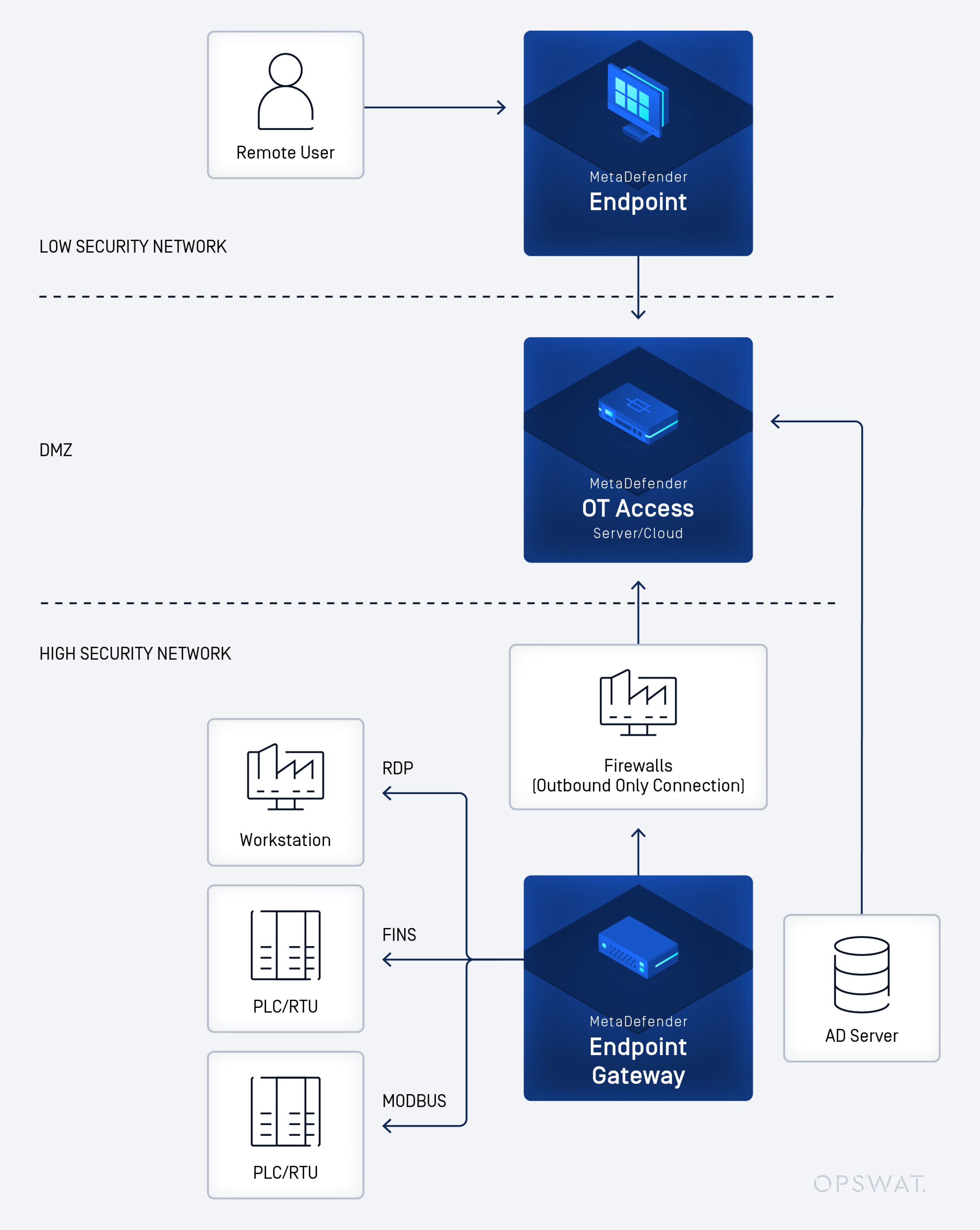
OPSWAT MetaDefender și MetaDefender Access™ sunt concepute pentru a reduce riscurile asociate interacțiunilor unor terți cu sistemele critice.
MetaDefender Drive și evaluează laptopurile, computerele desktop și serverele temporare în afara sistemului de operare gazdă, înainte ca acestea să se conecteze la medii securizate. Acesta detectează programele malware, identifică vulnerabilitățile și verifică integritatea dispozitivelor pentru a se asigura că numai sistemele de încredere au acces în rețelele controlate sau izolate fizic.
MetaDefender OT Access o soluție de acces la distanță securizată, concepută special pentru mediile OT și CPS (sisteme ciber-fizice). Aceasta permite conectarea controlată a terților și a personalului care lucrează de la distanță, aplicând în același timp controale de acces detaliate și politici de gestionare a sesiunilor.
Aceste capacități răspund cerințelor CIRMP privind riscurile din lanțul de aprovizionare prin:
- Protejarea sistemelor critice împotriva interferențelor sau întreruperilor cauzate de resursele unor terți
- Restricționarea accesului la sistemele și funcțiile autorizate
- Îmbunătățirea transparenței în ceea ce privește interacțiunile furnizorilor și ale contractanților cu infrastructura critică
4. Riscuri legate de securitatea fizică și segmentarea rețelei
Riscurile fizice și de mediu rămân o componentă esențială a CIRMP. În mediile moderne de infrastructură critică, securitatea fizică se intersectează din ce în ce mai mult cu riscurile cibernetice, în special în cazul în care sistemele OT se bazează pe fluxuri controlate de date între rețelele IT și OT.
Multe medii de infrastructură critică utilizează sisteme OT vechi, în care nu pot fi implementate instrumentele tradiționale de securitate a terminalelor. Prin urmare, măsurile de securitate trebuie implementate la granițele rețelei și la punctele de transfer al datelor.
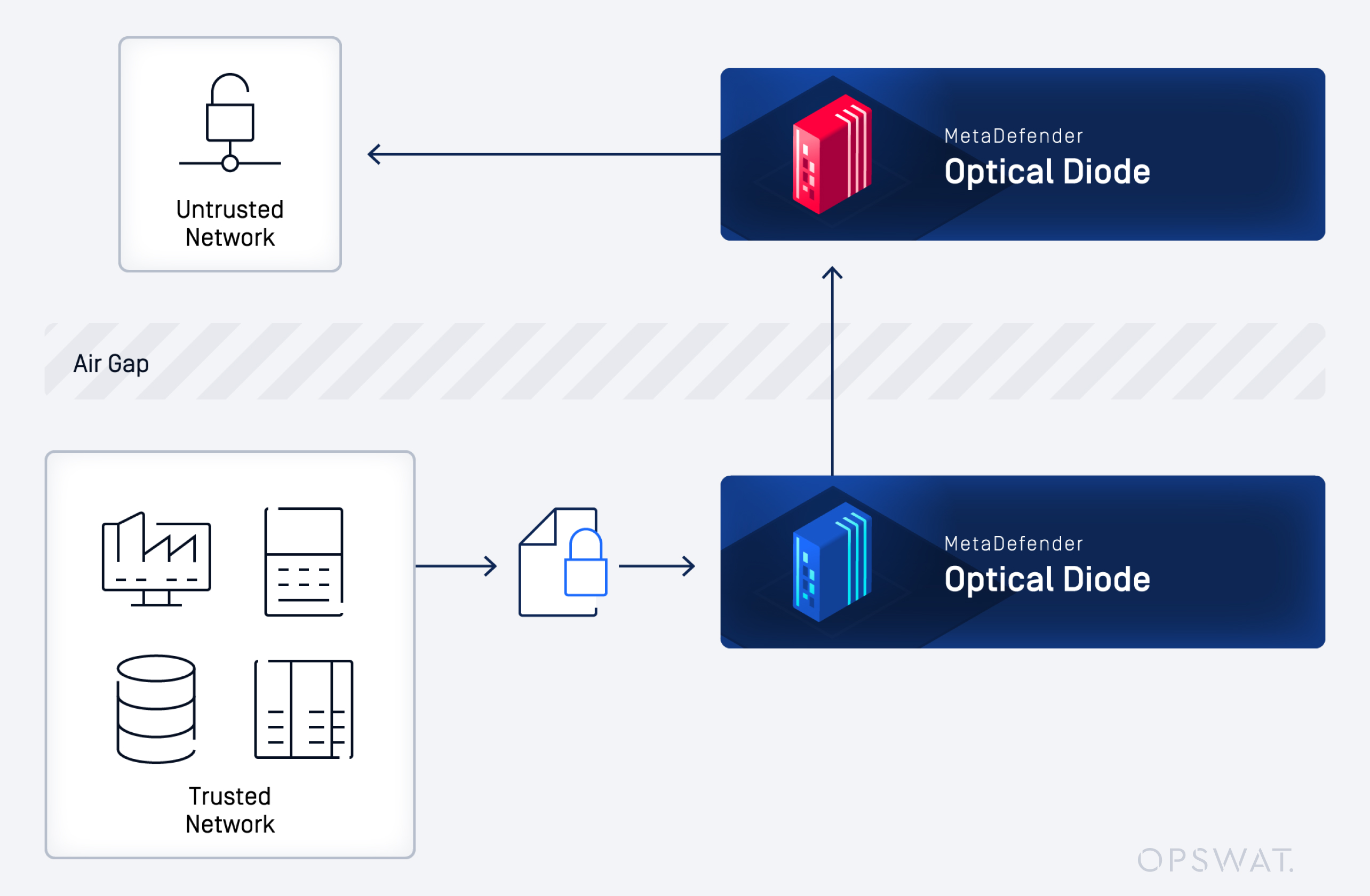
Ghidurile de reglementare și standardele din domeniu recomandă, de obicei, utilizarea unor gateway-uri unidirecționale, cunoscute și sub denumirea de diode de date, pentru a proteja rețelele OT sensibile. Aceste măsuri de control asigură un flux de date unidirecțional pentru a preveni accesul neautorizat, injectarea de comenzi sau sustragerea de date din sistemele critice.
MetaDefender asigură transferul unidirecțional al datelor la nivel hardware. Prin blocarea fizică a traficului invers, acesta elimină riscul atacurilor de rețea de tip inbound în mediile segmentate.
Atunci când este implementată într-o arhitectură DMZ (zonă demilitarizată) și combinată cu controale de tip firewall pe mai multe niveluri, această abordare permite:
- Risc redus de răspândire a programelor malware între rețelele IT și OT
- Protecție împotriva accesului neautorizat de la distanță la sistemele critice
- Asigurarea continuității operaționale
- Proiectarea unei rețele care ține seama în mod demonstrabil de riscuri, în conformitate cu principiile CIRMP
Prin controlul modului în care datele circulă între zonele de încredere, organizațiile pot consolida reziliența atât fizică, cât și cibernetică în medii în care disponibilitatea și siguranța sunt esențiale.
De la conformitatea cu reglementările la reziliența operațională
Legea SOCI din Australia și CIRMP reprezintă o schimbare semnificativă în ceea ce privește așteptările de reglementare. Entitățile responsabile trebuie să depășească stadiul intențiilor documentate și să demonstreze că măsurile de control al riscurilor sunt puse în aplicare și îmbunătățite continuu în practică.
Autoritățile de reglementare se așteaptă ca organizațiile să demonstreze că măsurile de control:
- Adecvat nivelului de importanță și profilului de risc al activului
- Integrate în fluxurile de lucru operaționale
- Susținut de înregistrarea datelor, monitorizare și supravegherea guvernanței
- Capabil să facă față controlului din partea consiliului de administrație și a autorităților de reglementare
CIRMP nu este un cadru de conformitate static. Acesta necesită măsuri de control preventive, aplicabile și verificabile în ceea ce privește riscurile cibernetice, de personal, legate de lanțul de aprovizionare și fizice.
Securitatea preventivă joacă un rol esențial în îndeplinirea acestor așteptări. Măsurile de control trebuie să acționeze la punctele comune de acces, dincolo de granițele sistemelor IT, OT și ICS, precum și în cadrul canalelor de interacțiune cu terții. De asemenea, acestea trebuie să asigure vizibilitatea și dovezile necesare pentru a sprijini guvernanța, asigurarea conformității și respectarea cerințelor de reglementare.
Accentul OPSWATpe protecția infrastructurilor critice răspunde în mod direct cerințelor operaționale și normative ale Legii SOCI din Australia. Implementarea unor măsuri tehnice obligatorii în cadrul CIRMP consolidează atât nivelul de conformitate, cât și reziliența în condiții reale.
În mediile cu infrastructură critică, securitatea preventivă nu este o opțiune. Aceasta este esențială pentru menținerea disponibilității, a siguranței și a încrederii publicului. Pentru a afla cum să vă aliniați strategia CIRMP la măsuri preventive aplicabile, discutați cu un expert OPSWAT .
Întrebări frecvente
Care este scopul CIRMP?
CIRMP impune entităților responsabile în temeiul Legii SOCI din Australia să identifice, să evalueze și să gestioneze riscurile care ar putea avea un impact semnificativ asupra infrastructurilor critice. Acesta garantează că organizațiile pun în aplicare măsuri de control proporționale în ceea ce privește riscurile cibernetice, cele legate de personal, lanțul de aprovizionare și riscurile fizice.
CIRMP se aplică mediilor de terapie ocupațională?
Da. Obligațiile CIRMP se aplică atât mediilor IT, cât și celor OT. Sistemele vechi sau izolate fizic nu fac excepție. Organizațiile trebuie să adapteze măsurile de control la realitățile sistemelor OT cu resurse limitate.
Ce tipuri de amenințări cibernetice sunt cele mai relevante pentru infrastructura critică?
Printre amenințările cibernetice frecvente se numără programele de tip ransomware, phishingul, programele malware transmise prin fișiere, compromiterea lanțului de aprovizionare și accesul la distanță neautorizat. Transferurile de fișiere, suporturile amovibile și conexiunile la terți reprezintă puncte de intrare frecvente.
Cum pot organizațiile să demonstreze conformitatea cu cerințele CIRMP în materie de securitate cibernetică?
Organizațiile trebuie să demonstreze că măsurile de control sunt implementate și eficiente. Acest lucru presupune ținerea unor registre, monitorizarea activităților, aplicarea politicilor tehnice, precum și asigurarea unor procese documentate de supraveghere și revizuire a guvernanței.
De ce se pune accentul pe securitatea preventivă în cadrul Legii SOCI?
Legea SOCI pune accentul pe reducerea la minimum a riscurilor semnificative la care sunt expuse infrastructurile critice. Măsurile preventive diminuează probabilitatea ca amenințările cibernetice, riscurile generate de personalul intern sau vulnerabilitățile din lanțul de aprovizionare să afecteze sistemele critice, contribuind astfel la asigurarea continuității operaționale și a conformității cu reglementările.